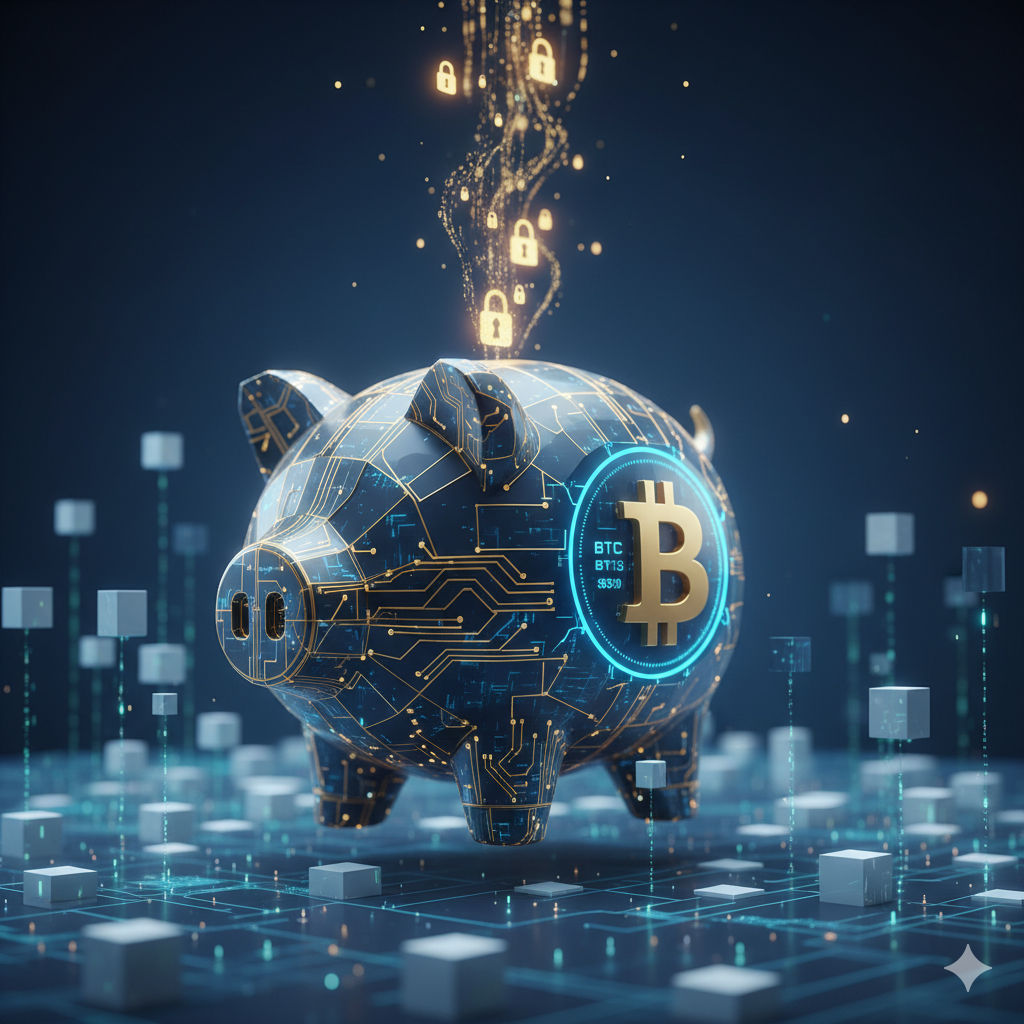
Stop imagining outages. They are history.
We are past the era of hypothetical scenarios. The Federal Reserve’s nationwide payment paralysis in 2021 and the Eurosystem’s T2S settlement failure in 2025 were not anomalies; they were structural failures of centralized fragility.
In 2026, relying solely on legacy fiat rails isn’t just “traditional”—it is negligent. The global economy runs on uptime, and while central bank ledgers freeze and card networks degrade, the Bitcoin network has maintained 100% uptime since 2013.
This is not a guide on how to dabble in crypto. This is the operational standard for financial survival in a world where “system failure” is the new normal.
1. The Individual Stack: Verify, Don’t Trust
The era of custodial banking is over. If you cannot access your funds without a third party’s permission, you do not own money; you own IOUs.
The Foundation: The Bitcoin Standard
- Layer 1 (The Vault): On-chain Bitcoin is the only global final settlement layer. It is censorship-resistant and absolute. This is for long-term wealth preservation, not coffee.
- Layer 2 (The Rail): The Lightning Network is the default transactional layer. It is faster than Visa, instant, and virtually free. Stop treating it like an experiment; it is the primary engine of commerce. https://rumble.com/v74oohm-bitcoin-scaling-debate.html
The Infrastructure: Run Your Own Node
You cannot claim resilience if you rely on someone else’s ledger.
- The Hardware: Running a full Bitcoin node (Bitcoin Core or Knots) — typically via Start9, Umbrel, myNode, RaspiBlitz, or similar – is the baseline requirement for a 2026 citizen.
These setups also give you a sovereign Lightning node by default, but the full node is the non-negotiable part. It is the only way you personally verify the 21 million supply and all rules without trusting anyone else. - The Benefit: If the centralized gateways (Exchange APIs, hosted nodes, etc.) go dark or censor traffic, your node keeps you connected to the network. “Don’t trust, verify” is not a slogan; it is an operational protocol.
True Offline Capability
When the internet goes dark, the blockchain doesn’t stop. You just need a way to reach it.
- The Mesh: LoRaWAN devices and mesh networks allow local TX propagation without an ISP.
- The Satellite: Blockstream Satellite receivers allow you to download the blockchain from space, completely bypassing terrestrial grid failures.
The Analog Backup
- Cash: Physical fiat notes are useful only for short-term localized bribes or barter when electricity fails entirely.
- Metals: Gold and silver are the only recognized analog store of value.
- No Proxies: Do not hold paper gold or “stablecoins” like USDC. USDC is a centralized company with regulatory capture and counterparty risk. If it’s not a bearer asset, it’s a liability.
2. The Business Stack: The Sovereign Merchant
If your business is still paying 2.9% + 30¢ per transaction to legacy card networks, you are bleeding margin to finance your own censorship.
The Primary Rail: Self-Hosted BTCPay Server
Stop using third-party processors that can freeze your funds or de-platform your store.
- The Optimal Setup: Run BTCPay Server on your own node. This is the gold standard: 100% sovereign, 0% fees, zero custody, and zero censorship risk.
- Self-Hosted Processing: This allows you to accept Bitcoin and Lightning payments directly to your wallet without a middleman taking a cut or seeing your data.
The Mobile Bridge: Sovereign POS & NFC
For the shop floor, you don’t need a server; you need a remote control for your money.
- Sovereign POS Apps: Use apps like Zeus or Breez on store tablets. These connect directly to your back-office node over Tor/VPN, turning cheap Android tablets into bank-grade terminals without relying on a cloud provider.
- NFC & Bolt Cards: Enable “Tap-to-Pay.” The 2026 standard isn’t scanning QR codes; it’s tapping a Bolt Card or phone via NFC. It mimics the Visa experience but settles instantly over Lightning.
The User Experience: Lightning provides instant settlement. No chargebacks, no fraud reviews, no “pending” funds. The cash flow is immediate.
The Legacy Backup: Cards
Treat Visa and Mastercard for what they are: legacy compatibility layers for older customers.
- The “Legacy Tax”: clearly mark the surcharge for card usage. Let the customer see the cost of the old system.
- Store and Forward: Ensure your legacy POS terminals can queue payments offline, but recognize the risk: unlike Bitcoin, these transactions can be rejected days later.
Staff Protocols: Competence is Mandatory
Your staff needs to know more than how to tap a screen.
- Node Management: Key employees should know how to verify that the store’s node is synced.
- Direct Settlement: Eliminate the confusion. When a customer pays via Lightning, the funds are in the business’s possession instantly. Teach staff that this is final settlement, unlike credit card authorizations which are merely promises to pay.
Summary
The timeline for “adopting” Bitcoin has passed. You are either running on the hardest, most resilient monetary network in history, or you are gambling on a legacy infrastructure that has already proven it cannot withstand the modern threat landscape.
Secure your keys. Spin up your node. Drop the intermediaries.