This paper applies the Kardashev–Vestorp Energy Efficiency Parameter (KEEP) framework to the real 2023 global energy system using official IEA and Global Energy Monitor data. KEEP measures how much installed “primary capture” capacity (solar collectors, turbines, reactors, boilers, etc.) is required to sustain a given level of useful energy services.
For electricity, we find that the current global system operates with a KEEP_elec/P_elec of about 7.4: on average, around 7–8 watts of installed primary capture capacity are required for each watt of useful electrical output. Extending the calculation across all primary energy sources gives an illustrative full-system capacity multiplier of about 6.72 times useful power. The paper also shows how different technology mixes (solar‑heavy vs nuclear‑heavy vs balanced) change this multiplier and the associated infrastructure and material burdens.
Summary of 2023 Global Energy System Parameters
| Metric | Value | Uncertainty | Source |
| Total Energy Supply (TES) | 633.7 EJ = 20.1 TW | ±2% | IEA 2023 |
| Final Energy Consumption (FEC) | 429.1 EJ = 13.61 TW | ±2% | IEA 2023 |
| Useful Energy (P_full) | 7.1 TW | ±1.0 TW | Sec. 4 |
| Useful Electrical (P_elec) | 2.36 TW | ±0.18 TW | Sec. 6 |
| Primary‑to‑useful multiple |  | — | Sec. 4 |
| Electrical KEEP (KEEP_elec) | 17.49 TW | ±3.21 TW | Sec. 6 |
| Electrical KEEP_elec/P_elec | 7.4× [5.5, 10.0] (90% CI) | — | Sec. 6 |
| Full multi‑source KEEP_full (phys. flux) | ≈47.71 TW (illustrative) | ~±20% | Sec. 7.1 |
| Full multi‑source KEEP/P_full | ≈6.72× (illustrative) | ~±20% | Sec. 7.1 |
| INEC (calculated) | 8.477 TW | ±2% | Sec. 6 |
| INEC (reported, adjusted) | 8.472 TW | — | GEM/IRENA |
Read the full paper here:
Looking ahead, the quality of KEEP assessments will improve as measurement improves. Smart meters and digital metering in generation, transmission, distribution, and at end‑user sites will make it much easier to:
- Measure actual production at power plants,
- Track losses and flows through transmission and distribution,
- Quantify the useful energy delivered to end users.
Combined with better data on material inputs “from raw materials to electricity production,” this will allow KEEP and related metrics to be calibrated against more granular, verifiable numbers.
Transparent, verifiable data (Blockchain) from smart meters and modern monitoring systems are essential for turning high‑level infrastructure metrics like KEEP into precise tools for planning and accountability.
Fun fact:
When electricity is distributed in Denmark to consumers, it is done through a large and branched network of cables.
The transmission of electricity involves losses, similar to what is used in (GE).
To reduce these transmission losses, the electricity is sent over long distances at much higher voltages than the consumption voltage, which is 220 and 380 volts.
The higher the voltage, the fewer the losses.
The highest voltage in the Danish grid is 400,000 volts.

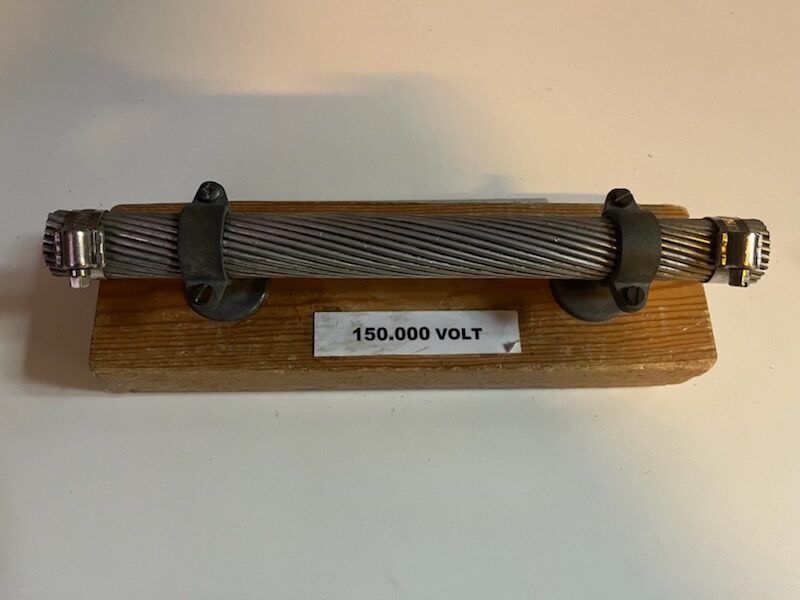
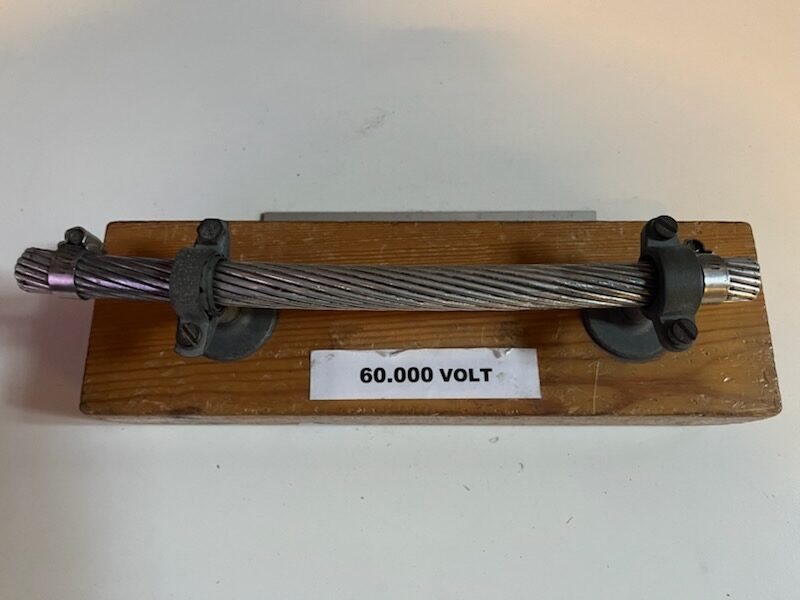
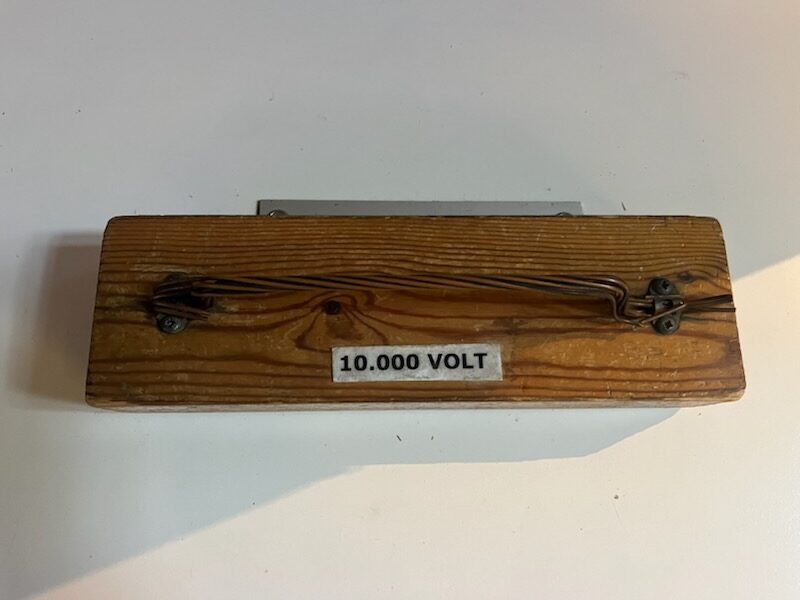
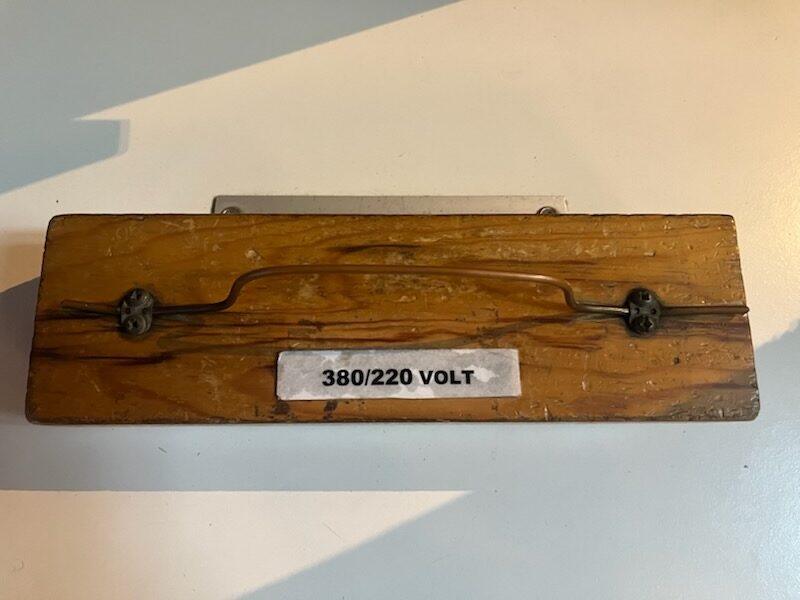
As the electricity travels through the grid, the voltage is transformed at transformer stations to:
150,000 / 132,000 volts
60,000 / 50,000 volts
10,000 volts
380 / 220 volts
Superconducting cables are likely the future, replacing high-voltage cables.
In a superconductor, there is almost no resistance, so no energy is lost when electricity is transmitted from one place to another.
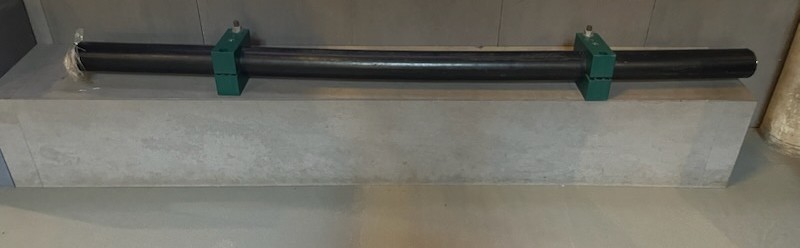
For a superconductor to work, it must be cooled with nitrogen, which cools it down to -200 degrees Celsius.